

Why Diagnostic Tests Are Important For Your Pet
When your dog or cat has a health problem, our veterinarians at Sathnaro Animal Hospital use a variety of techniques to get to the source of the issue. Changes in body temperature, weight, appetite and energy level can signal a problem that requires further investigation.
Sensitive areas of the body or the animal’s reluctance to put weight on their limbs may signal an issue that is not visible on the surface. In these cases, a veterinarian may advise one or more of a variety of tests that can provide information about what’s going on inside your pet’s body.
In some cases, you may not even suspect your pet has a problem, but a test will reveal a health issue in the early stages so that it can be treated before it becomes a more critical health problem.
Common Veterinary Diagnostic Tests
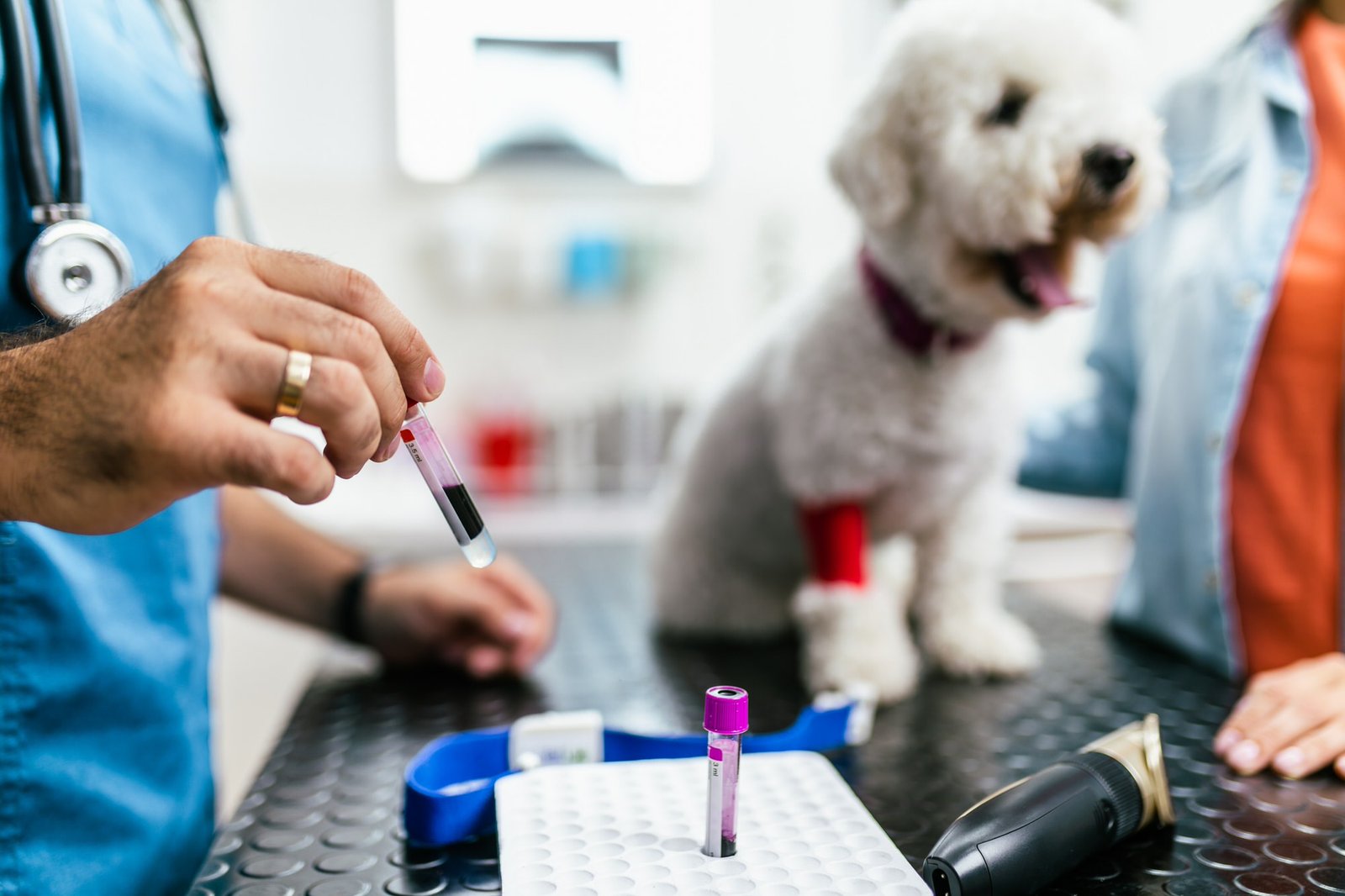
Sathnaro Animal Hospital offer many different diagnostic tests such as:
- Ultrasound scans: these make it possible to visualise lesions in organs and other disorders. Very useful in gynaecology for detecting renal, hepatic, pancreatic problems, visualisation of intra-abdominal masses and more.
- Pregnancy Detection Testing: Pregnancy detection in pets is an important aspect of veterinary reproductive care
- ECG & Patient Monitoring for Pets: ECG (electrocardiogram) for pets is a non-invasive diagnostic test that records the electrical impulses generated when the heart beats Electrocardiogram in Pets. This essential monitoring tool helps veterinarians diagnose and manage various cardiac conditions in dogs and cats.
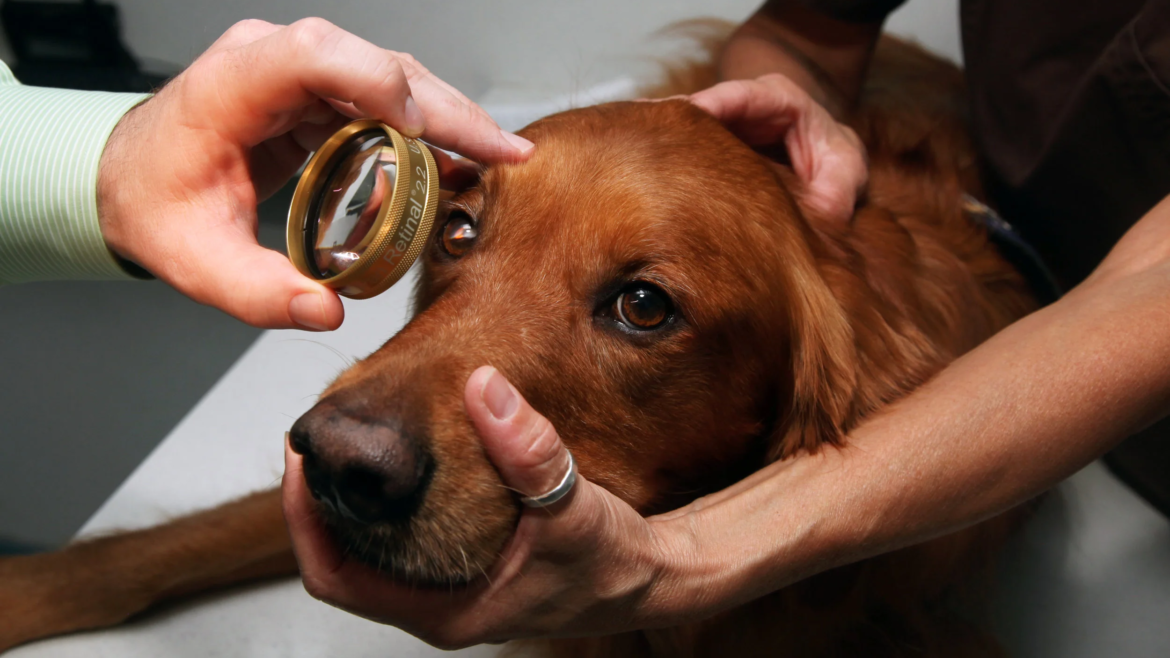
- Eye Testing: Pet ophthalmology is a veterinary specialty focused on diagnosing and treating eye diseases and injuries in animals, including conditions like cataracts, glaucoma, corneal ulcers, and retinal disorders. Veterinary ophthalmologists use specialized equipment and techniques to perform eye surgeries, prescribe medications, and help preserve or restore vision in cats, dogs, and other companion animals.
- Dermitalogy: Pet dermatology covers a wide range of skin, coat, ear, and nail conditions.
Pregnancy Detection Testing for Pets
Pregnancy detection in pets is an important aspect of veterinary reproductive care, whether you’re planning for a litter or need to confirm an unexpected pregnancy. Here’s a comprehensive overview of the available testing methods and considerations.
Common Testing Methods
Ultrasound is the most reliable and widely used method for detecting pregnancy in pets. For dogs, pregnancy can typically be detected as early as 25-30 days after mating, while in cats it’s usually around 20-25 days. This method not only confirms pregnancy but also allows veterinarians to count the number of fetuses and monitor their development.
Experienced veterinarians can sometimes detect pregnancy through palpation (gentle feeling) of the abdomen. This is most effective around 28-35 days of pregnancy in dogs and cats. However, this method requires significant expertise and isn’t always conclusive, especially in overweight animals or those with small litters.
Blood tests can detect hormone levels that indicate pregnancy. The hormone relaxin is commonly tested for in dogs, as it’s produced by the placenta. These tests are generally reliable after about 30 days of pregnancy but may give false negatives in very small litters.
X-rays become useful later in pregnancy, typically after 45 days in dogs and cats, when the fetal skeletal structure begins to calcify and becomes visible. While not ideal for early detection, x-rays are excellent for counting puppies or kittens and assessing their positioning before birth.
Species-Specific Considerations
Dog pregnancy lasts approximately 63 days. Early signs may include changes in appetite, behavior, and nipple enlargement. Professional testing is recommended since false pregnancies are common in dogs and can mimic real pregnancy symptoms.
Cat pregnancy typically lasts 64-67 days. Cats may show behavioral changes, increased appetite, and nipple pinking. Multiple testing methods may be needed since cats can have very small litters that are harder to detect.
For rabbits, guinea pigs, and other small mammals, pregnancy detection often relies on physical examination by an experienced veterinarian, as these animals have shorter gestation periods and different anatomical considerations.
The timing of testing is crucial for accuracy. Testing too early may result in false negatives, while waiting too long may limit management options. Most veterinarians recommend testing around 30 days after suspected mating for optimal results.
Professional pregnancy testing is important for several reasons: it helps prepare for the birthing process, allows for proper prenatal care, helps manage nutrition and exercise during pregnancy, and enables early detection of potential complications. Additionally, confirming pregnancy helps pet owners make informed decisions about spaying and reproductive management.
Pregnancy testing costs vary by location and method, typically ranging from Rs.5,000.00 – 30,000.00 depending on the testing approach used. Most veterinary clinics offer these services, and some may provide package deals that include multiple testing methods or follow-up care.
Early and accurate pregnancy detection ensures the best outcomes for both mother and offspring, making professional veterinary testing a valuable investment for responsible pet ownership.

Common dermatology testing includes
Allergic reactions – Environmental allergens (pollen, dust mites), food allergies, or flea allergy dermatitis can cause itching, redness, and skin irritation.
Bacterial and fungal infections – Hot spots, pyoderma, ringworm, and yeast infections are frequent culprits behind skin problems.
Parasites – Fleas, ticks, mites, and other external parasites can cause significant skin irritation and secondary infections.
Hormonal conditions – Thyroid disorders, Cushing’s disease, and other endocrine issues often manifest through skin and coat changes.
Genetic conditions – Some breeds are predisposed to specific skin conditions like seborrhea or atopic dermatitis.
Environmental factors – Dry air, harsh shampoos, or contact with irritants can trigger skin problems.